




82ND INAUGURAL LECTURE: PROF. AJI ADVOCATES UTILISATION OF BIOMAS WASTE FOR INDUSTRIALISATION


Isuwa Suleiman Aji, an Engineer and Professor of Mechanical Engineering at the Faculty of Engineering, University of Maiduguri, has called for the effective utilisation of waste as a driver of sustainable industrialisation in Nigeria.
Delivering the 82nd lecture in the University’s Inaugural Lecture series, titled “Transforming Biomass Wastes into Wealth: Innovative Pathway to a Sustainable Industrial Future”, on Thursday, September 25, 2025, at El-Kanemi Hall, Prof. Aji emphasised that industrialisation is an opportunity “available for everyone to fly into” if waste resources are properly harnessed.
Declaring the event open, the Vice Chancellor, University of Maiduguri, Professor Mohammed Laminu Mele, congratulated the lecturer, noting that the inaugural lecture remains one of the hallowed traditions of academia, marking a significant milestone in a scholar’s career. He added that the occasion provides academics with a platform to showcase the outcomes of their research, innovations, and teaching to both the university community and the public. Professor Mele further encouraged aspiring scholars to deliver inaugural lectures, assuring that the university management remains committed to sustaining the tradition.
In his lecture, Professor Aji explained that his research over the past decade has focused on transforming agricultural and biomass wastes into high-value composite materials. He highlighted the potential of components such as cellulose, hemicellulose, lignin, and pectin in providing innovative pathways for industrial development.
The scholar further outlined how his work integrates strategies for industrial sustainability by reducing waste while creating valuable products from plant biomass. According to him, such approaches not only strengthen industrial practices but also contribute to environmental conservation and economic growth.
Prof. Aji added that his decade-long research efforts include exploring solid materials from deposit sites for industrial production, developing eco-friendly corrosion inhibitors from plant extracts, assessing plant-based lubricants for industrial use, and designing innovative machines to ease human effort. These initiatives, he noted, are all geared towards promoting sustainable industrial practices.
He stressed the global significance of his findings, pointing out that the growing demand for bio-composites has been driven by rising wood prices, the availability of new fibre sources, increasing environmental concerns, and rapid technological advancements. He also observed that research and development efforts in both developed and developing nations underscore the urgency of transitioning from petroleum-based plastics to environmentally friendly alternatives. Calling for utilisation of waste for industrial sustainability.
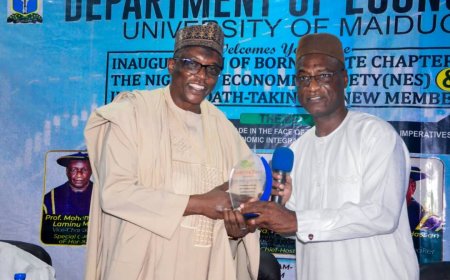
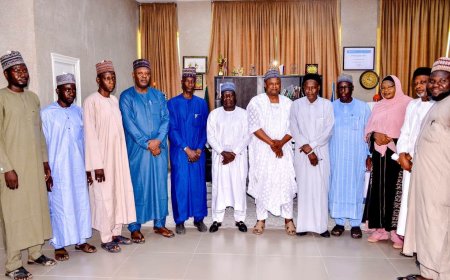
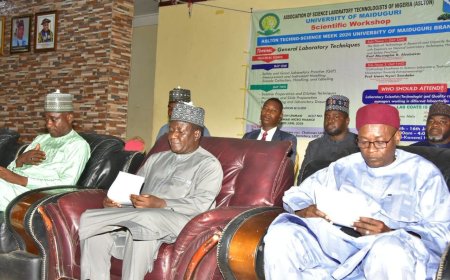
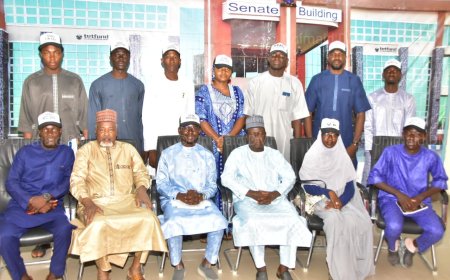
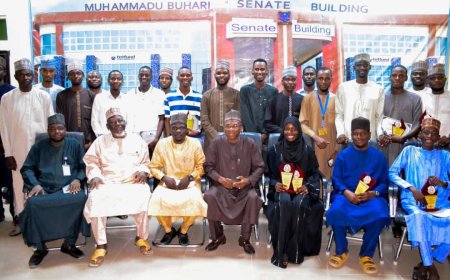
The event climaxed with the attendance of university management, scholars, experts, staff, students, and the university community. Token of appreciation was also presented to the inaugural lecturer by the Vice Chancellor.


What's Your Reaction?